Hubble, bubble, toil and trouble…


I had a batch of sauerkraut that didn’t turn out as I wanted. A really big bloom of kahm yeast had formed on the top, and because I had neglected it, it had gone further than I wanted and had compromised the flavour, so the chickens got a prezzie. It also wasn’t salty enough which might explain the overgrowth of kahm. Bummer.

Anyway, I set another batch off today with some added spices for a bit of variety. The health benefits of home made kraut are far superior to the shop bought stuff which is invariably pasteurised and therefore all the good bacteria have been eliminated. The bacillus proliferating in the fermentation process gives the kraut its tangy taste and aids in digestion just like natural yoghurt does. It also improves the nutritional value.

The book Nourishing Traditions by Sally Fallon gives a great description of the good things these old fashioned methods of preserving give us. It’s a pity that we have let the processed food industry and the paranoid regulators diminish our knowledge of the benefits of these great foods by flooding us with so called easy and safer alternatives.
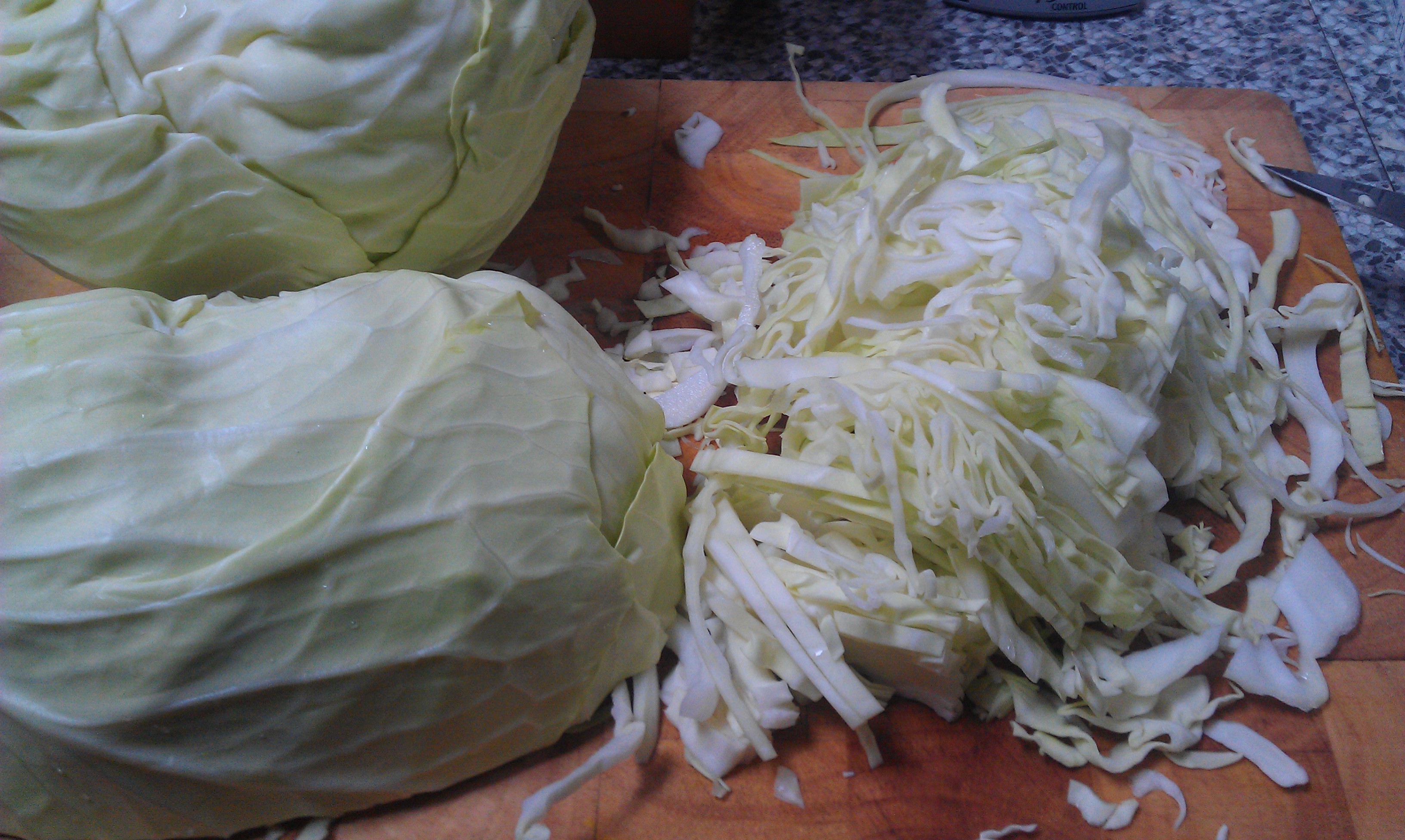
Finely shred the cabbage

Recipe:

2 medium cabbages shredded finely

10 cloves

1 bay leaf

15 black peppercorns

2 teaspoons of cumin seeds

2 tablespoons of salt

4 tablespoons of whey

Cooled boiled water

Firstly, make sure every utensil you use is scrupulously clean, as is your preparation area. Wash your hands properly too, and if you have long hair, tie it up! You can sterilise all your gear if you like, but just make sure there is no residue left, or the batch will just go bad because you have restricted the good bugs from multiplying.

The acidity of the lactic acid fermentation process is in part what protects the cabbage from being consumed by “bad bugs”. Also, if you can buy organic, do so, there is less crap and it does actually taste better.

Shred the cabbage finely with a knife or a mandolin, watch your fingers! Layer the cabbage in the crock, ( I have a Harsch fermentation crock which is excellent ) and add some of the rest of the dry ingredients as you go, tamping down with your fist or a potato masher or similar implement.
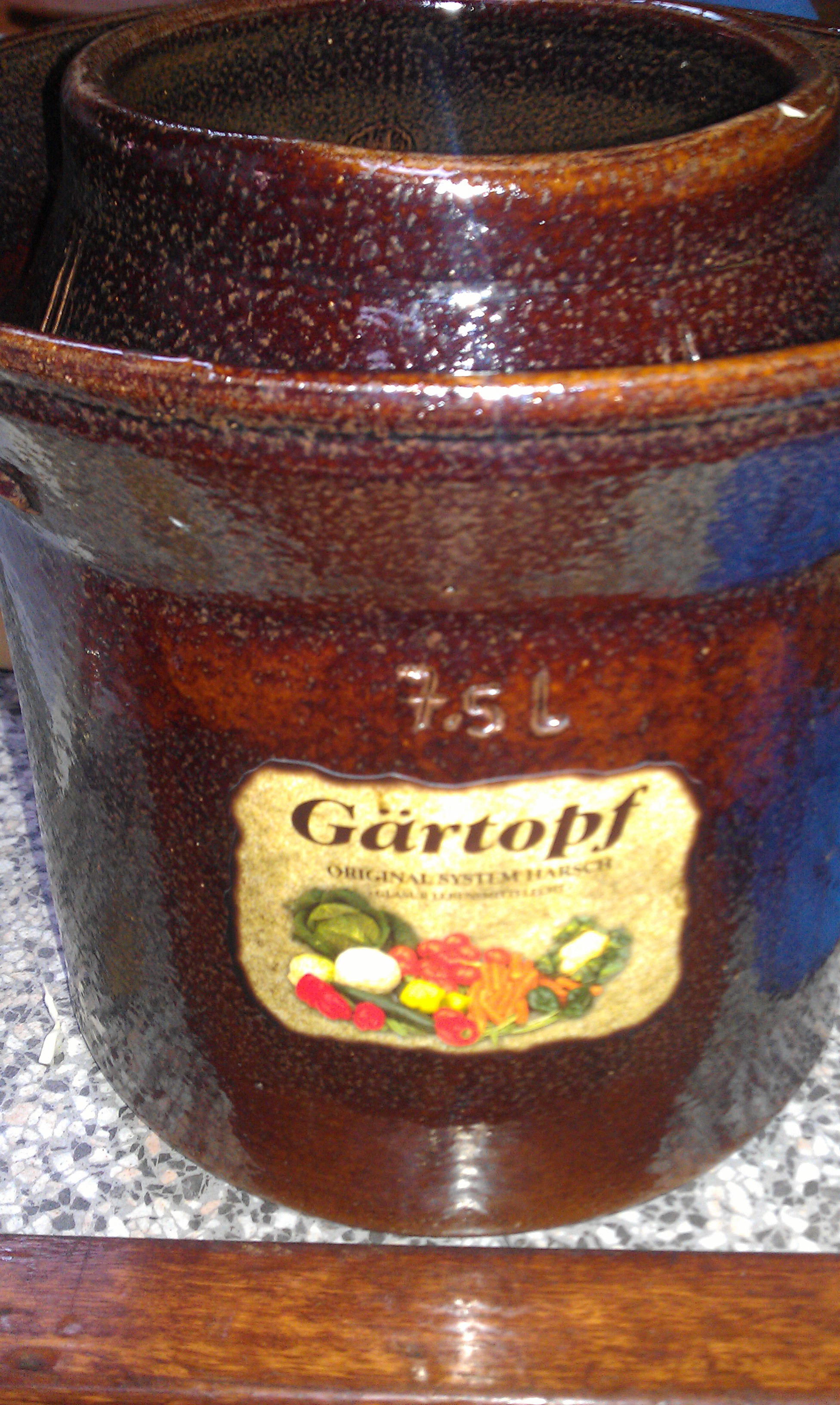
The fermentation crock

Repeat until the crock is 80% full. Pop a couple of whole cabbage leaves on the top of the tamped down cabbage and then rest the stones on top. Add your whey and some cooled boiled water until the stones are just covered. ( You don’t actually have to use whey but it speeds things up.)

Pop the crock lid on and fill the moat with water and place in a warm spot ( 20-22’c room temperature) for a few days. You will hear the satisfying sound of “plip, plip” as the kraut starts to ferment. Don’t be tempted to peek just yet.

After a few days warm fermentation, transfer the crock to a cooler environment of about 15’c for 2-3 weeks. After this, the crock needs to go in a cold environment of 0′-10’c. At this point it can be opened and enjoyed at 4 weeks old, but it gets better as it matures over time.

You can transfer the kraut to smaller jars and put them in the fridge now if you want to make the volume more manageable or to make another batch. Just make sure there is enough liquid covering the top of the kraut (add a little cooled boiled slightly salted water if you need to.)

Sometimes a kahm yeast forms on the top. It’s white and sort of fluffy and can be skimmed off the surface. It’s harmless, but doesn’t add to the flavour. Remove any solid matter that has it and looks a little oxidised.

Don’t be put off, home-made sauerkraut  is brilliant, and I can personally confirm its healing properties on the human gut after several bouts of gastro acquired in South East Asia and China.

It’s also delish!

Enjoy!

kind regards,

J

As a footnote:- Use your common sense, if the kraut smells and tastes ok it probably is, if there is black or red mould, and it smells really, really bad, then don’t use it. Trust me, you will know.
 

Lime pickle

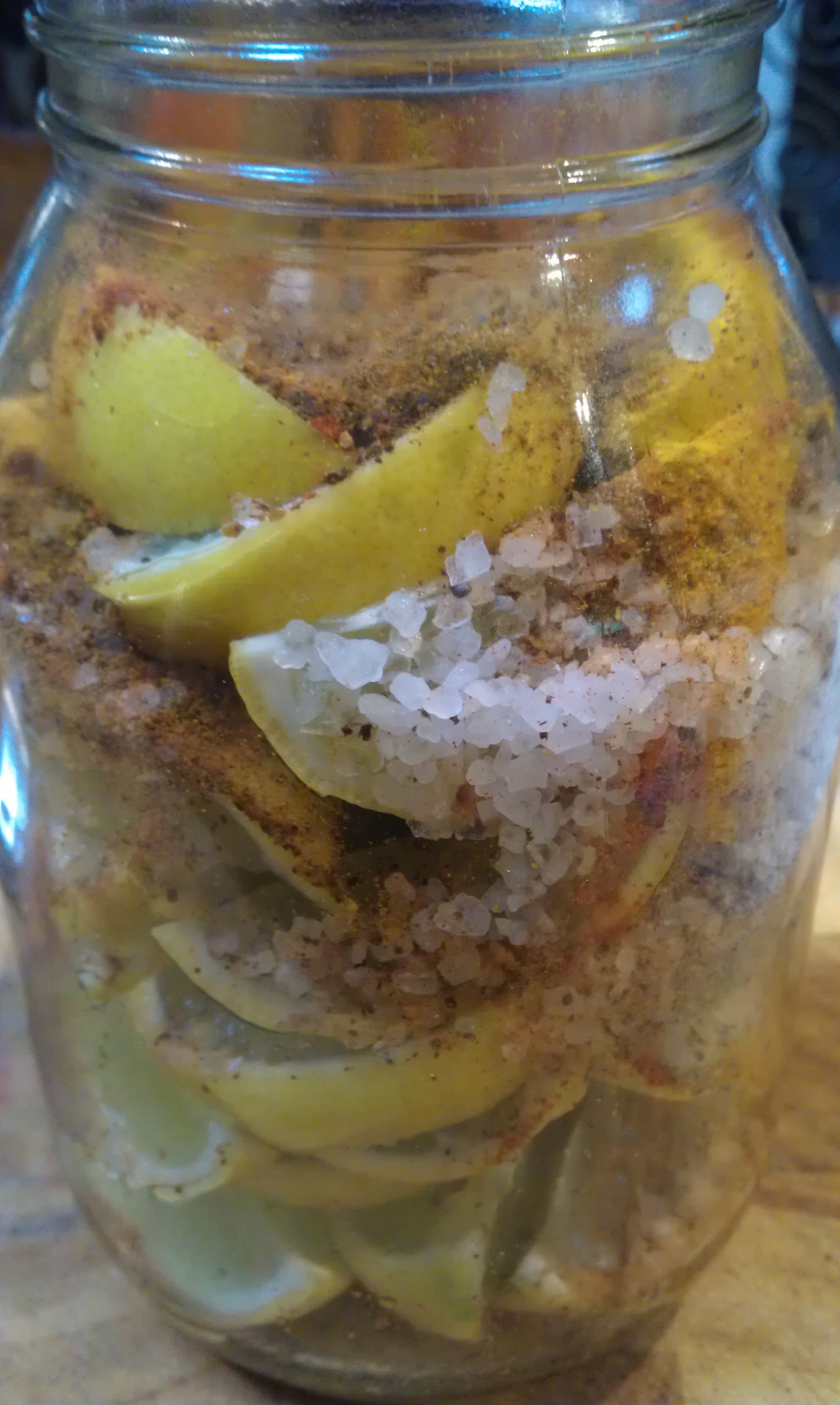
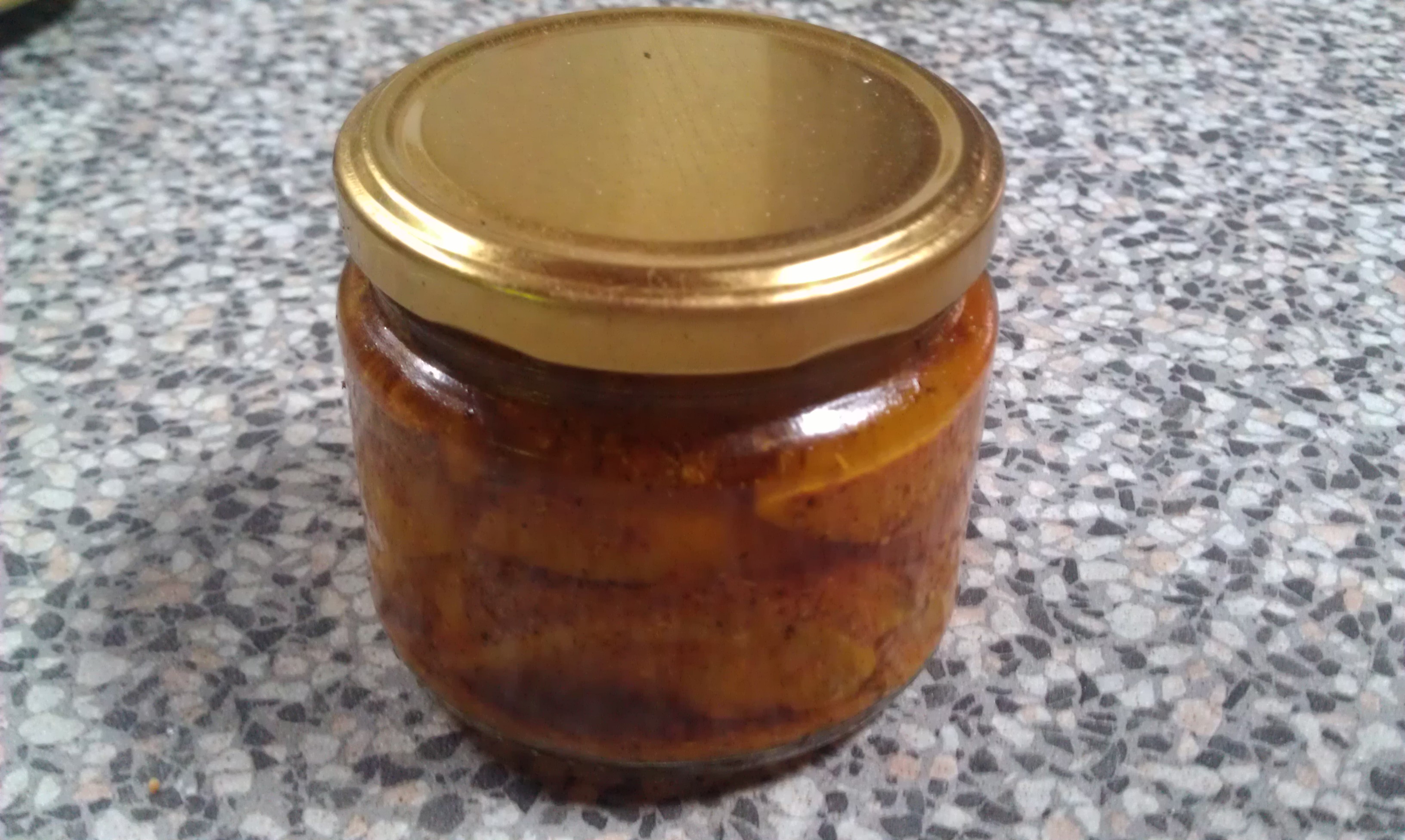
A mature jar


I have a thing for pickles. This is my favourite lime one. It goes really well with curries or with Dhal, rice and yoghurt, but it’s also great with cooked meat. It’s salty and slightly bitter and very limey so a little goes a long way, but you do have to keep coming back for more… Delish!

10 Limes cut into 6ths or 8ths depending on size

125g sea salt

1 tbs fenugreek seeds

1 tbs black mustard seeds

1 tbs chilli powder (I like Kashmiri for flavour and not too much heat)

1 tbs turmeric powder

300ml of cold pressed peanut oil

1/2 tsp asafoetida

Method:

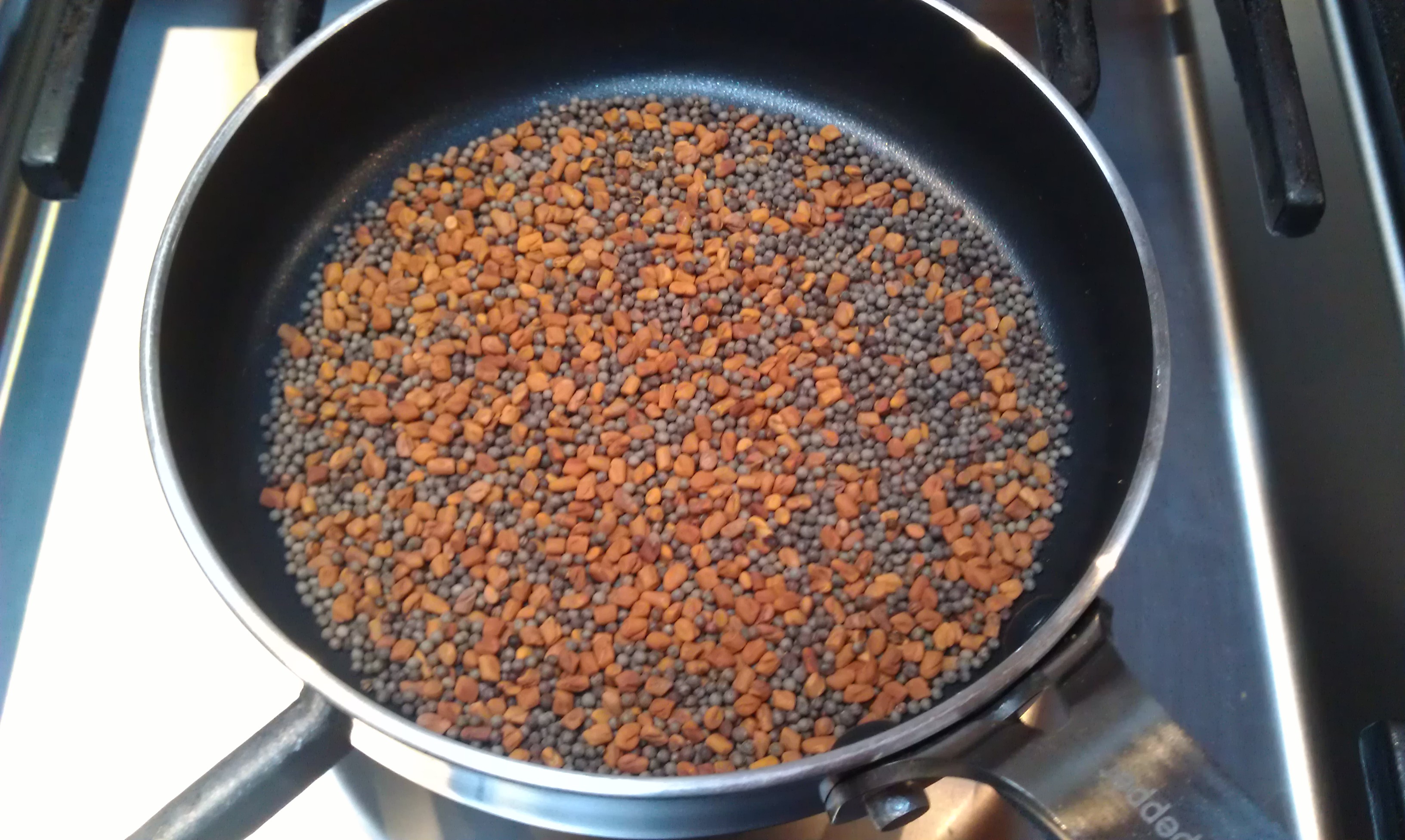
Put the limes into a large jar and cover with salt. Dry fry the seeds in a small pan until they are aromatic and “popping”, then grind in a mortar or spice grinder and add to the limes along with the chilli powder and turmeric and mix well.

Dry frying seeds.

Just before mixing.


Heat the oil in a small pan until it just starts to smoke and fry the asafoetida for 30 seconds off the heat. Pour the oil over the limes (they will sizzle) and cover the jar with a lid and leave in a sunny warm spot for 10 days to mature. Shake the jar daily to redistribute the spices. When ready, store in a cool dark place. Enjoy.


Kind regards,

J

Little Miss Muffet sat on her tuffet, eating her curds and whey…

They let me enrol in a cheese making course. Uh oh.

I now have marinated herbed feta, plain feta, two lots of lactic butter, a couple of litres of buttermilk and some whey sat in the fridge. On the bench is some falafel fermenting with some added whey and some pickled cucumbers fermenting with more homemade whey. I even pickled some eggs which bear no relationship with the other things previously mentioned. I am now compelled to go back to the supplier for some blue cheese and brie cultures to try those out, even though I have mozzarella and halumi to tackle yet.

I could get addicted to this lark.

We sampled the fetas earlier. They have been sat in brine solution for a day and I must admit the flavour was fabulous. I cut the curd in fairly large cubes and consequently the cheese was soft and moist. Next time I think I’ll cut the curd smaller for a firmer effect.

The butter turned out gorgeous. I used two types of cream from different dairies to see if there was much of a difference. I inoculated the cream with the culture and left them overnight by the log fire to “breed”. This morning I whipped them into butter and the results were spectacular. I spread some on some fresh crusty bread and I swear the effect was like the artisan French butter that costs a small fortune from the deli. The butter milk is rich and thick and really tasty so it should make great pancakes and scones.

Getting the temperature right.

Clean break of the curds.

The curds almost ready to put into the drainers.

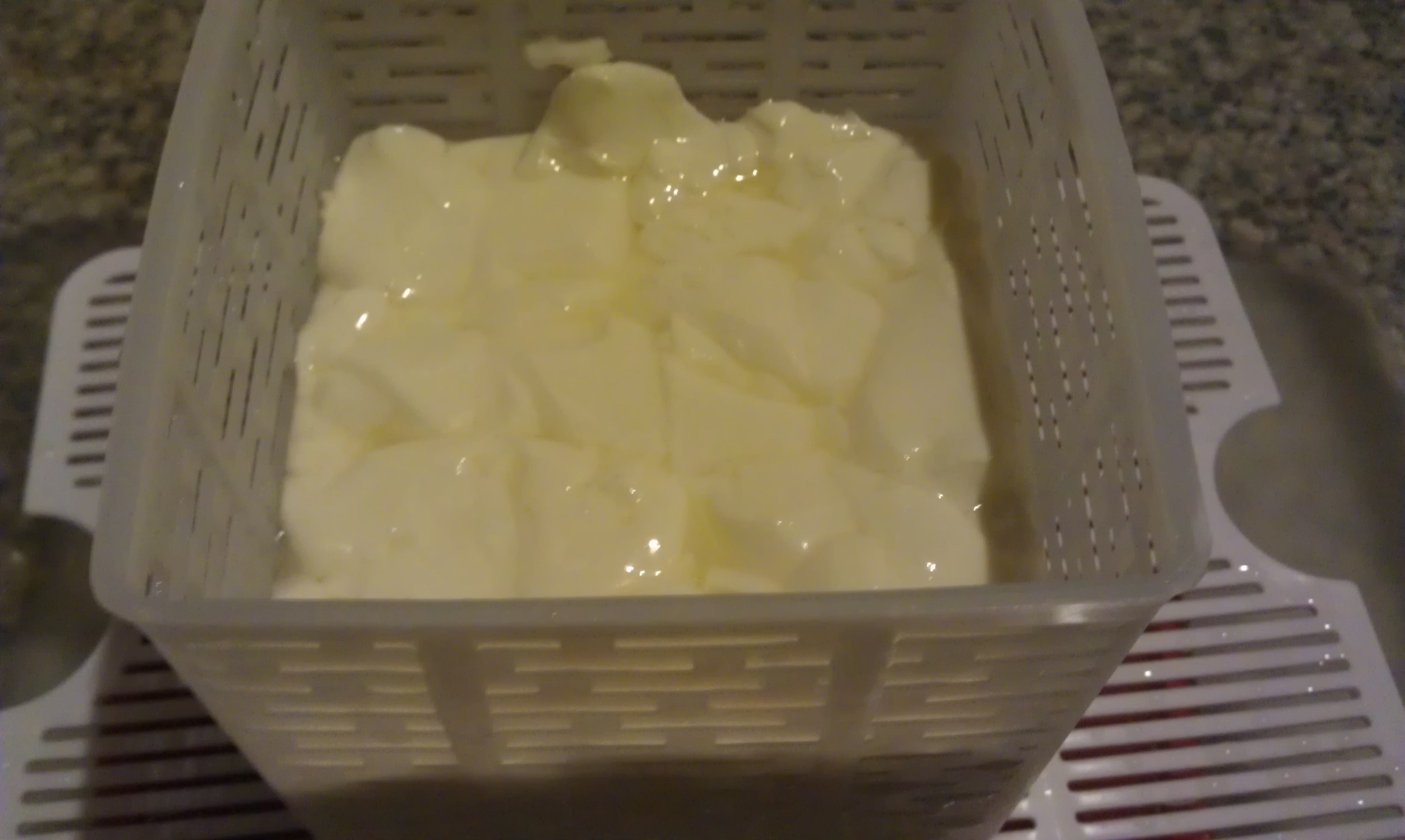
Curds drained of whey and settled in the mold to be brined later.

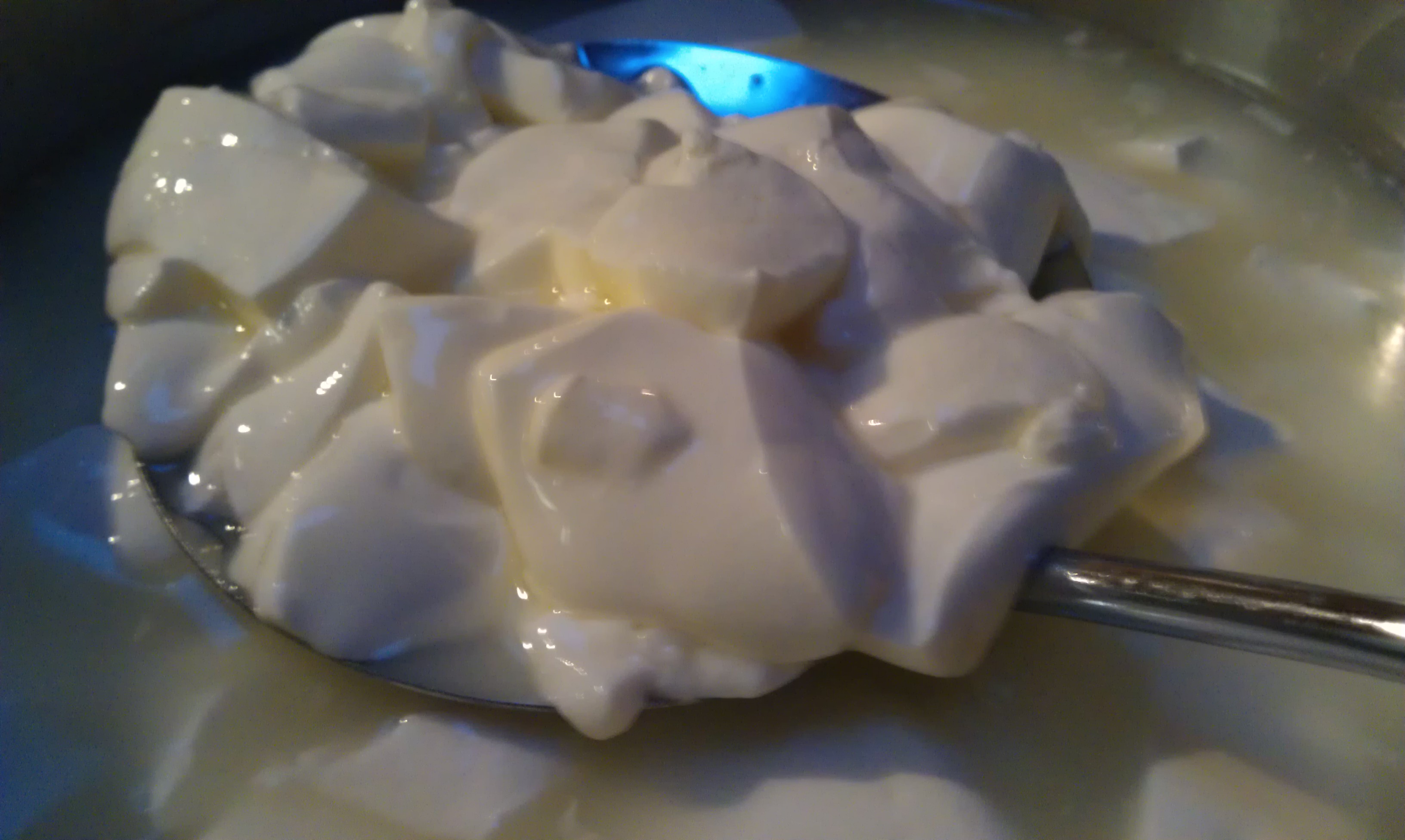
These delicate little curds are just like the junket we used to be served for school dinner puddings. As you can see, there is some more whey to drain yet, but you can appreciate the potential. This is the plain batch, the other I added dried herbs to and will end up covering in olive oil with some added dried tomato and maybe garlic.

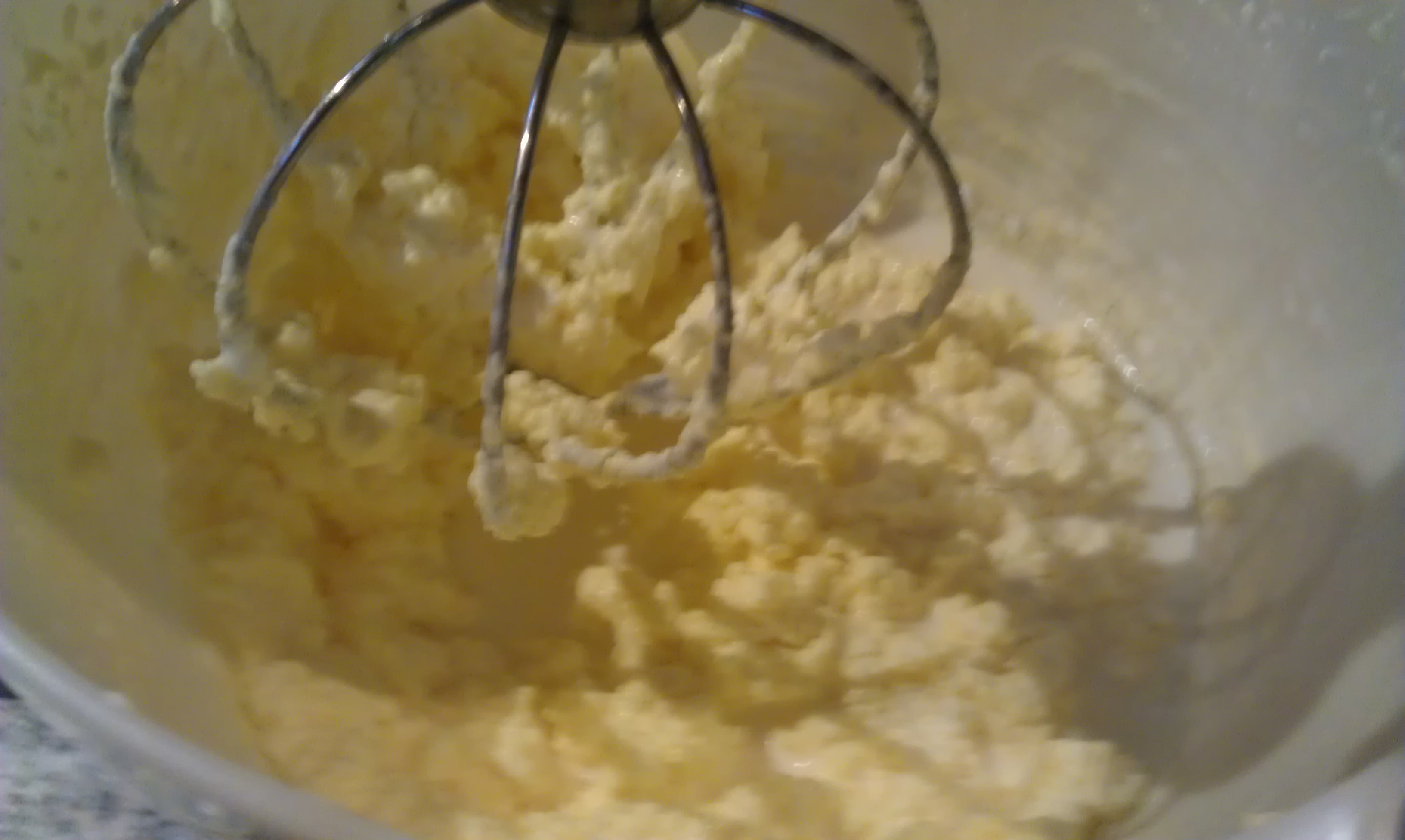
Whipping cultured cream.


This is just whipping cultured cream past the point of no return…

The “split”.

Fresh cultured butter using cream from two different dairies.


Final product, thick and rich with no additives other than salt and culture. The buttermilk is delicious and will make great pancakes, it’s much more creamy than the shop bought variety, which is like water in comparison.


Horiatiki salad with home made feta.


Here is the Horiatiki salad with the feta I made on Sunday…

It went well with the whey fermented falafel, which was crisp on the outside but moist and juicy on the inside, and the home made mayo for dinner tonight. Yumm.


kind regards,

J


Lazy Sundays…

Cool summer mornings are always nice. This summer has had an unusual number of overcast days and today was another fine example. I fancied something a little different for breakfast this morning, so I rustled up some asparagus, prosciutto, duck eggs, garlic aoli and some crumpets. I could have made hollandaise, but I already had some garlic aoli that I made yesterday and figured it may well be close enough. Besides, it’s Sunday morning and sometimes you just feel lazy.

  Voila, a yummy breakfast…

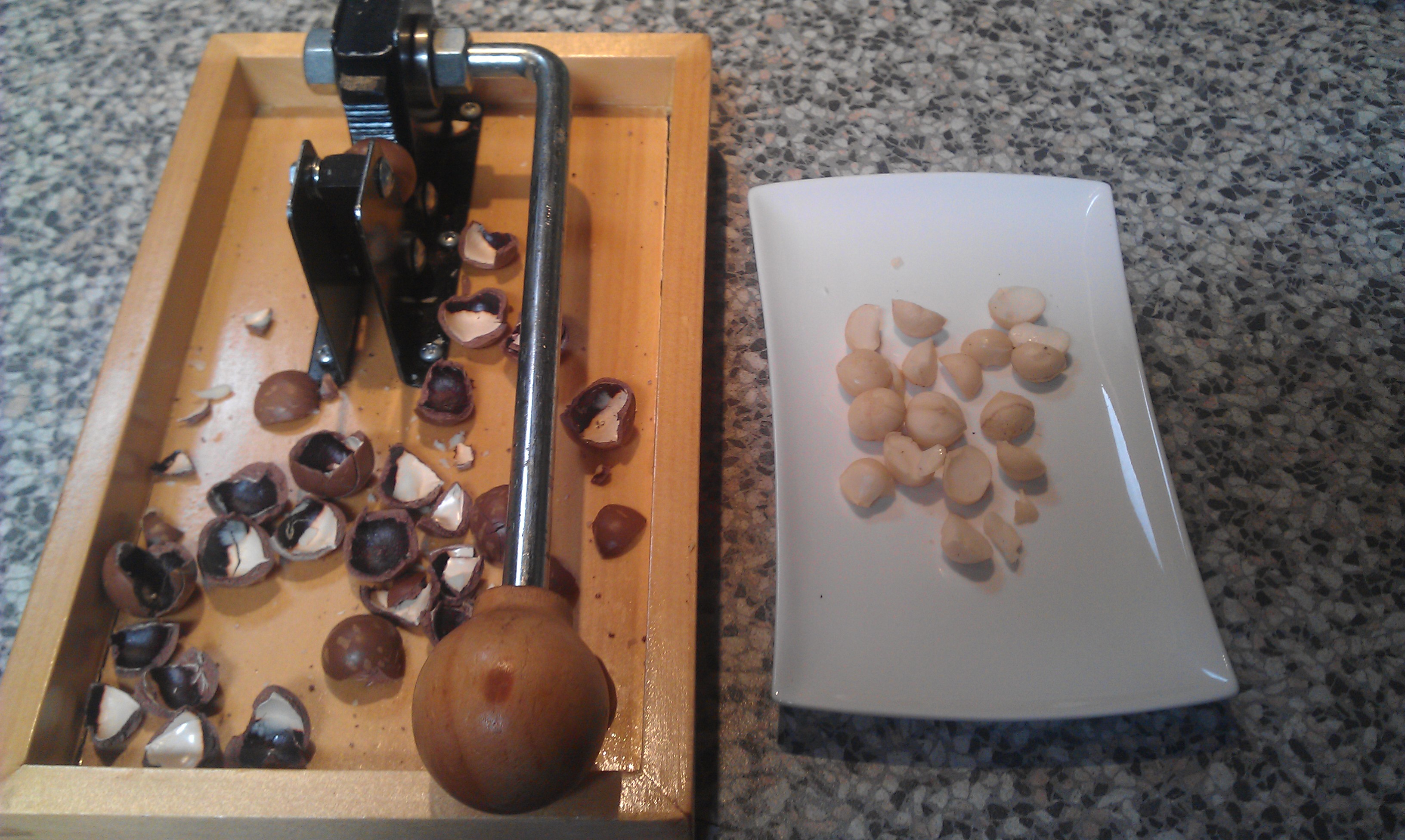
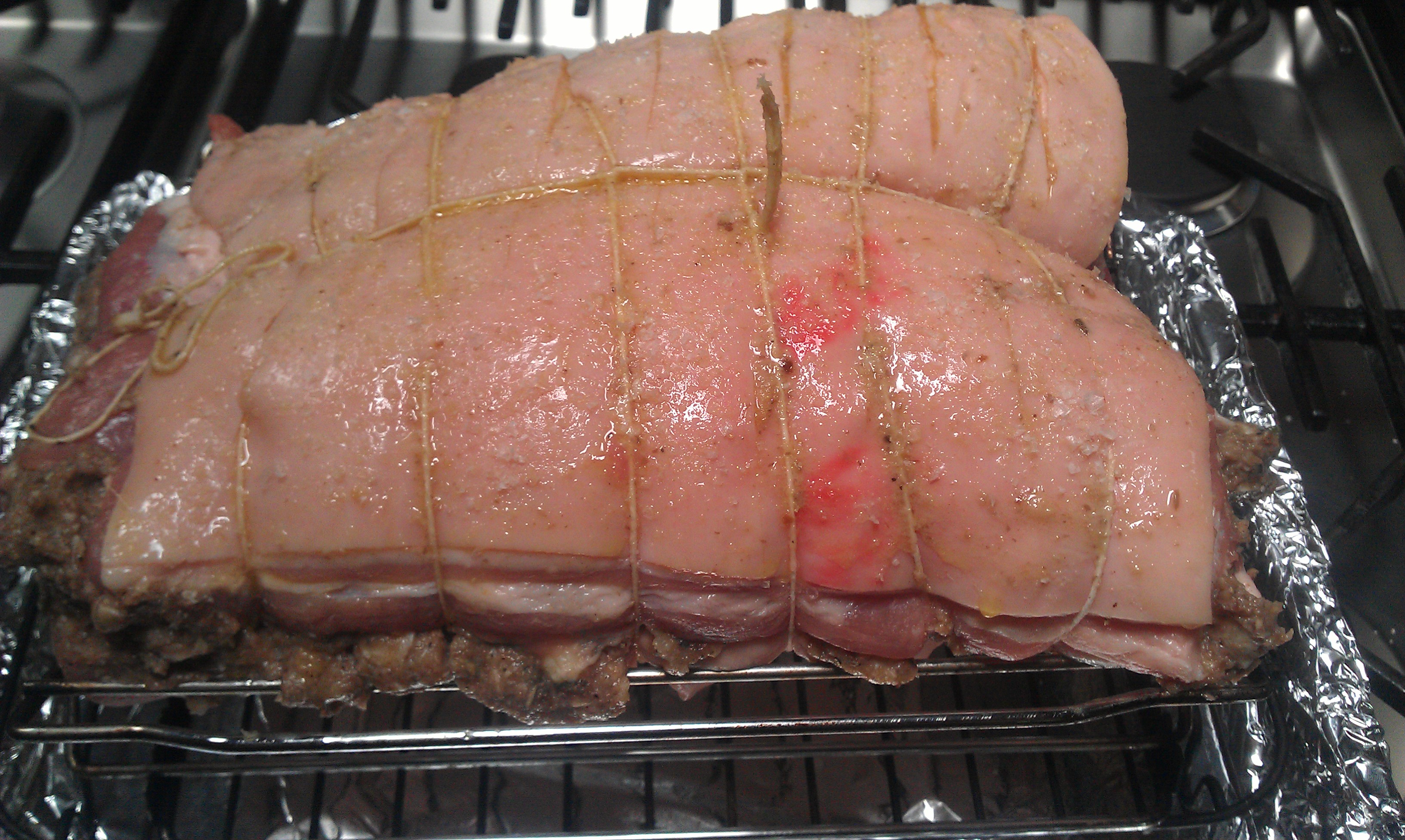
A couple of Sundays ago we had friends over for lunch. I like cooking for other people, there is something nice about preparing and sharing food with good people. I had a couple of fresh pork bellies and the remaining macadamias from the last crop. I shelled and partly crushed the macadamias and mixed them with finely diced mushrooms, some breadcrumbs, a beaten egg, some chopped sage and heaps of salt and ground black pepper to make a stuffing.


I spread the stuffing over the pork belly and sandwiched the two together.Then I tied the bellies together with some butchers string and popped it in the BBQ to roast for a couple of hours.

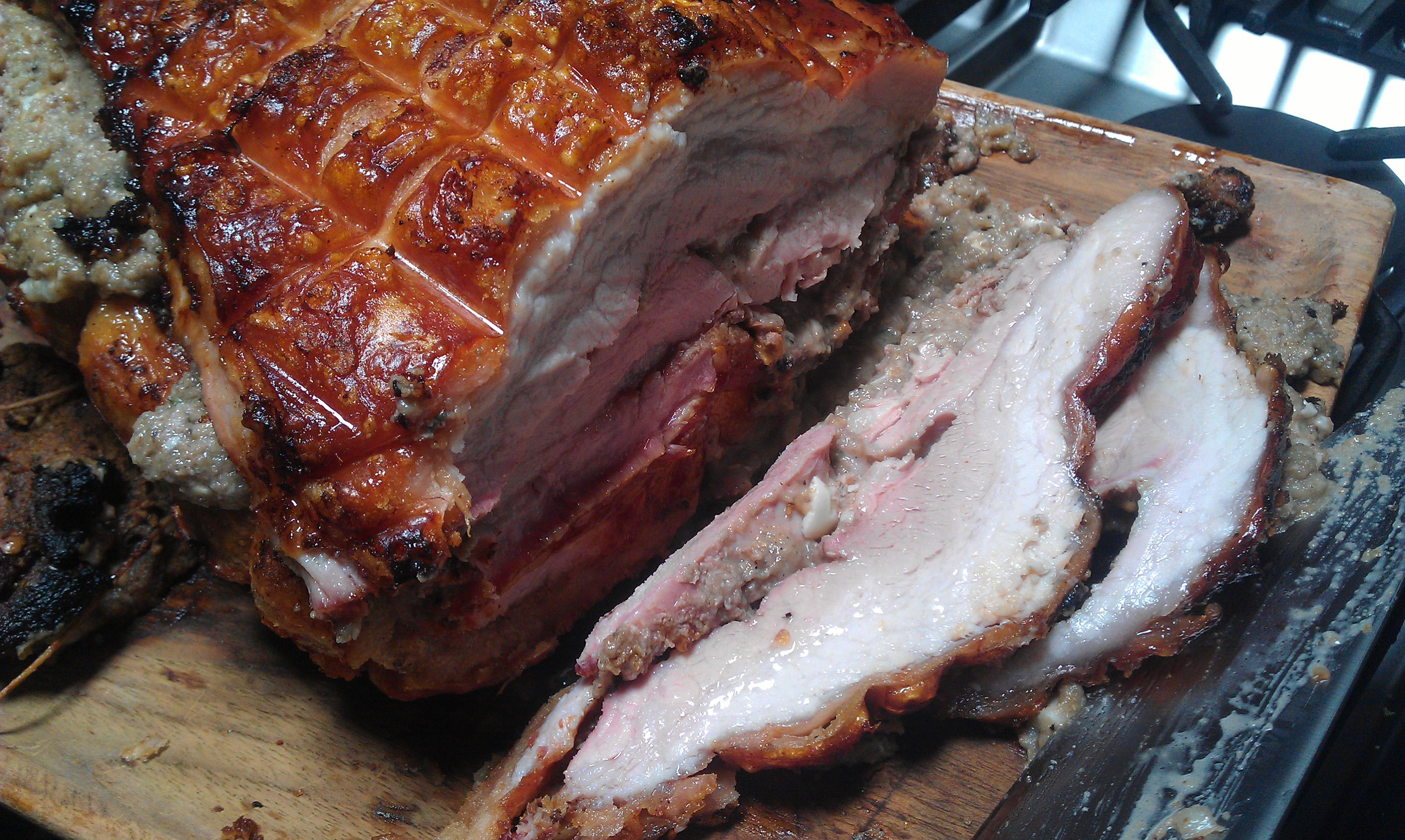
The finished result was a fabulously crusty crackling with a moist and juicy interior. Despite the fact that the stuffing squished out a little, a jolly good feed was had by all. Oh, and the cold cider went down rather nicely too.

A hint of the warmer weather to come…

The jasmine is in full flower, filling the air with its unique scent. It always makes me think of sun and warm breezes. Mango season is upon us and the perfume of mangoes reminds me of the jasmine which reminds me of the sun and warm breezes… you get the picture.

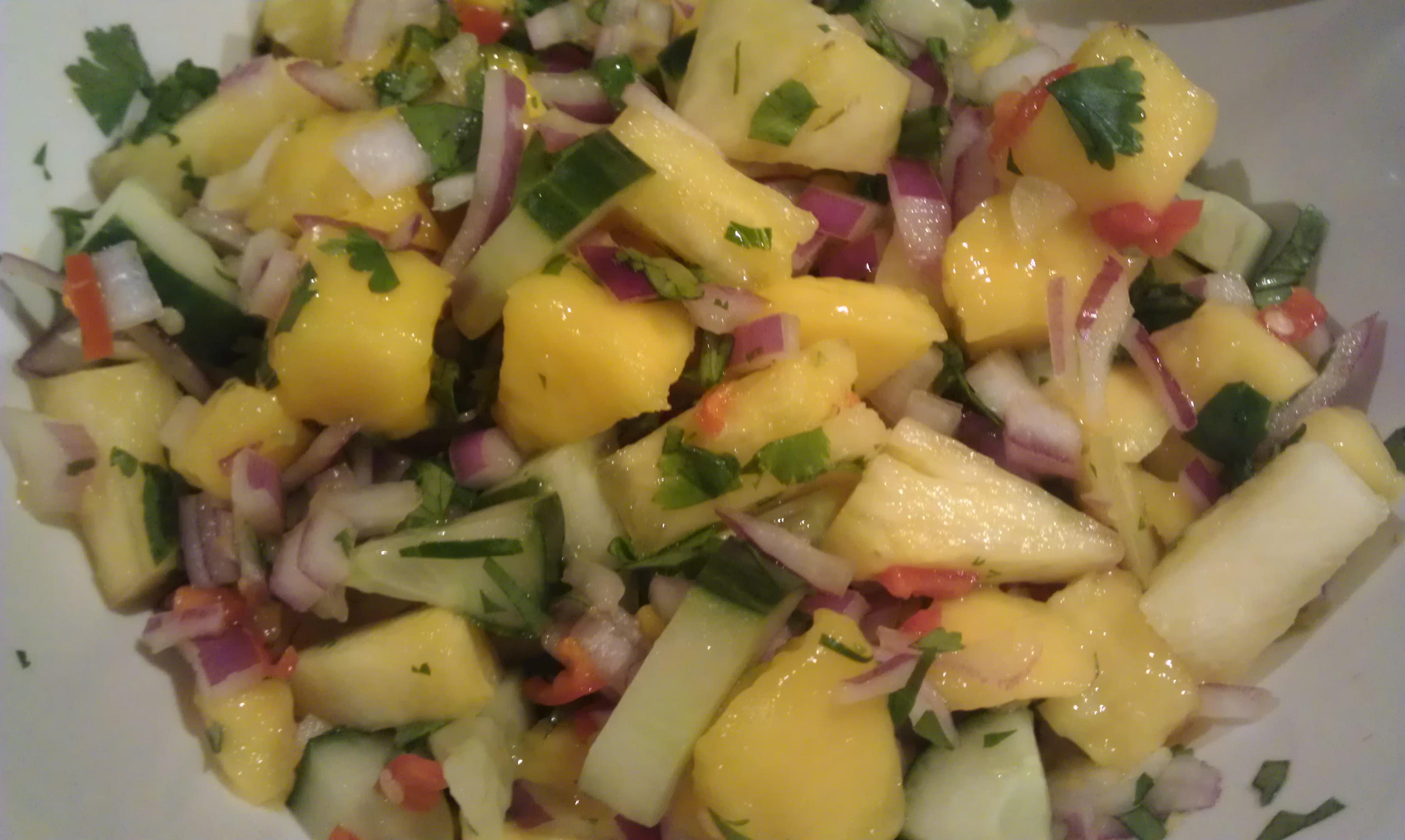
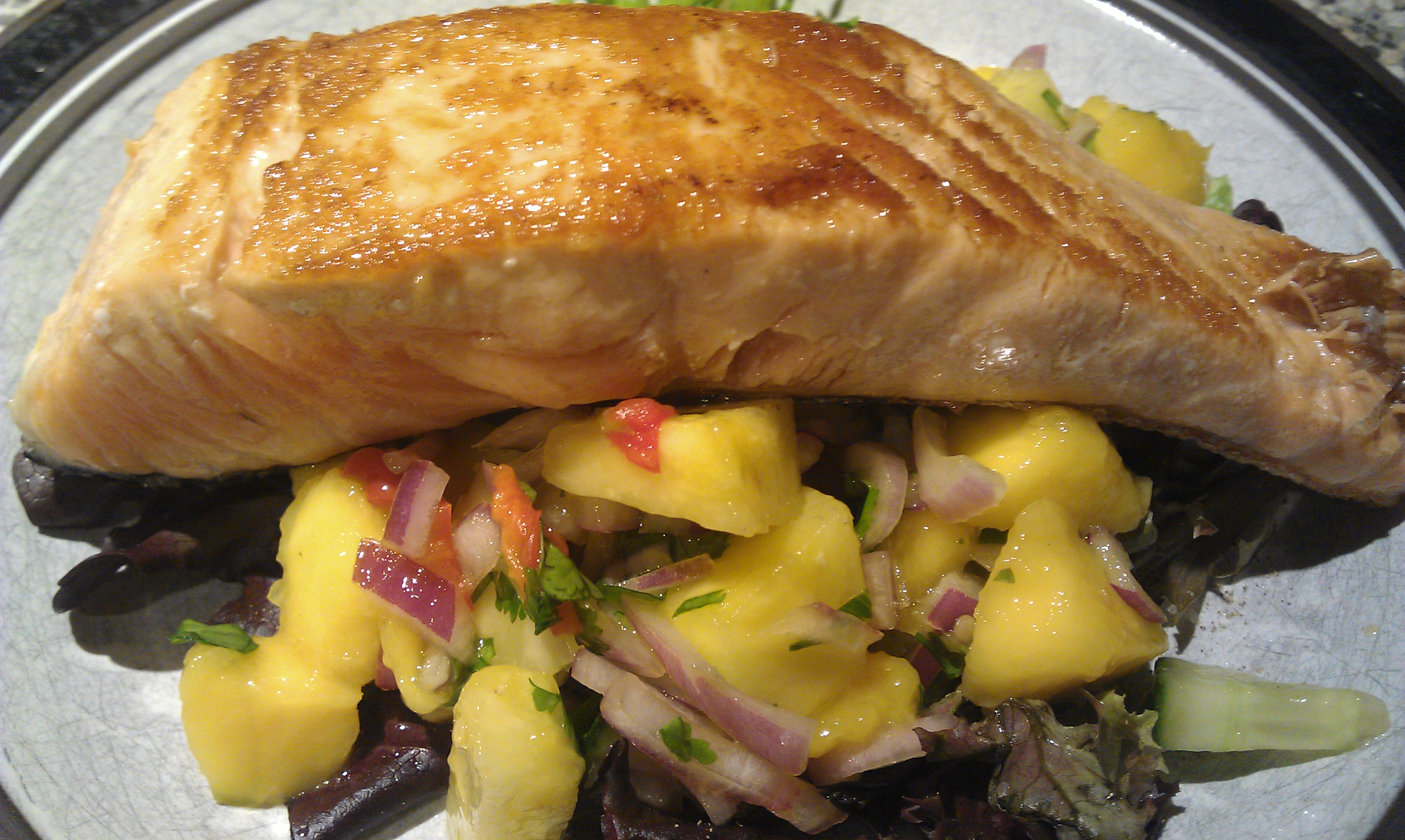
Dinner tonight:- Pan seared fresh salmon served on a bed of chilli mango salsa and salad greens.

For the salsa for two:-

One large mango, cheeked and cubed. One good wedge of pineapple cut in small chunks. One red chilli (or to taste) chopped fine. A 4 inch piece of cucumber small diced. Half a red onion finely diced. A good big handful of coriander leaves roughly chopped. A tablespoon of fish sauce and 2 tablespoons of lime juice, salt and pepper to taste. All ingredients get tossed together in a bowl.

Take your salmon fillets and coat in olive oil, season well with salt and pepper and quickly sear skin side down for a few minutes. Turn over to just colour the top. The salmon should still be nice and pink in the middle, try not to over cook it! Let it rest while you assemble (plate up) the rest.

Plate up some mixed salad leaves, season, and drizzle with a little olive oil and white balsamic vinegar if you like. A generous serving of salsa goes on top and then the salmon. Don’t forget a glass or two of good Verdelho.

Tasty goodness. Enjoy.

Mobile phone photo’s don’t do it justice sadly. Never mind, at some point I shall rectify that small problem. In the meantime, I was thinking it’s about time to catch some Koonacs (fresh water crayfish) in the pond. Everyone loves them either steamed or cooked on the BBQ with home made wasabi mayo and garlic aoli. I love spring.

Eat your heart out Monet….

Kind regards,

J.

Start with a bottle of Moss Brothers 2011 Verdehlo from Margaret River…

Apparently this Verdelho goes really well with chicken and leak pie. So, I just happened to have some left over roast chicken, a stray leek and some frozen butter puff pastry in the freezer. (Yes I know, frozen butter puff, Careme make a good one, but I do make my own shortcrust and hot water crust pastry, but sometimes convenience wins. Besides, I was hungry.)

Slice your leek and saute in a little duck fat, add a small amount of plain flour and cook off for a minute or two. Add shredded chicken. Pour in a good slurp of Verdelho and stir until slightly thickened. Dilute with full cream to the desired consistency. Taste, and adjust the seasoning. Taste the Verdelho to make sure it hasn’t gone off in the meantime.

Place a sheet of pastry in a pie dish, smooth the filling over the pastry and cover with another sheet. Trim it up until it looks pretty and bung it in the oven at 200’c for about 45 mins or until the pastry is nicely browned and done. Slice it up and eat, and drink the rest of the Verdelho. Oh, and you can cook some veggies to go with  it. Peas and carrots look nice. Enjoy.

Kind regards,

J