Slow Cooker Revelations

Well, it’s been quite some time since I last posted. Now my health is good again, I’m off the blood pressure meds after 16 years and I’m starting to feel really well again. Thank goodness. Now I’m ready to explore. Welcome back to my journey…

It started a couple of weeks ago. It was too hot to cook indoors, the humidity was off the scale and dripping into your dinner as you cook is no fun. So, I was trawling the internet for recipes (so that’s what you call it?) and I’d found some slow cooker groups on Facebook. Interesting stuff, mostly. It seemed like a good idea then, even though in my head slow cooked meals were a winter phenomenon. Apparently not. I was  pleasantly surprised to learn I was not utilising this cheap appliance to its full potential. I had acquired a secondhand cooker for all of $6.99 from Goodwill and figured I should give it a try. It works! Baking, braising, roasting, it seems the cooker has a lot to recommend it, and it didn’t fry me in the kitchen in the process! Ok, beef cheeks in Borello can wait till the first frost, but there are many things to attempt in the meantime.

The next few posts will be related to slow cooking, some stuff that is new, and some adaptations of previously stove topped tagine or other recipes. Have fun and enjoy the endeavours (and maybe some epic fails ha ha…)

kind regards,

J

Gosht Kareli or Spiced Lamb Shanks

Sit back with a glass of your favourite and absorb the aroma of the food cooking. The house is filled with the perfume of cloves and cardamom and cinnamon. Onions give off their wonderful scent as they caramelise. The whole spices are dry fried lightly until they crackle, then the lamb shanks are sautéed in ghee with ginger and garlic and garam masala until they are sealed.
Into the slow pot they go to spend the day becoming so tender and gelatinous you could chew them only with your lips and tongue as the sticky gravy coats the meat and runs down your chin through your fingers.

This dish is too good to eat with cutlery. Clean hands and hot naan bread are all you need. Smell the spices as they blend and compliment each other. Watch the colour deepen as the Kashmiri chillies give up their secrets. I challenge you not to keep opening the pot to savour the heady allure of the feast to come.

Served with a rich Dal and a good strong Czech Pilsner outdoors under Capricorn and it doesn’t come much closer to heaven than this…sigh…

My spice rack is from Malaysia and is 1.2 metres tall and the same wide. It has 64 drawers in it and is filled with everything from ajwan to zedoary. I have three marble and granite mortars of various sizes, the smallest of which I broke the pestle so now I use a suitably shaped river stone I found. (Works better than the small marble original!) I have some friends who keep asking me where the batteries go in my largest pestle,they are culinary heathens and have no class.

I’ve been asked a few times now, so here is the recipe, this is one of my favourites….

Gosht Kareli

1 kg lamb shanks
2 bay leaves
4 cinnamon sticks
4 cloves
3 tsp garam masala
3 tbsp garlic paste
3 tbsp ginger paste
10 green cardamom pods
2/3 tsp corn flour
4 tbsp oil
2 tsp Kashmiri chilli powder
A slack handful of rich red dried chillies (doesn’t have to be hot ones) Kashmiri are fabulous.

Method

1. Remove the white membranes from the shanks and prick all over with a fork down to the bone, thoroughly. This helps the marinade penetrate the meat.

2. Apply the ginger, garlic, chilli, corn flour and garam masala evenly over the shanks. Marinate for 2 hours, preferably overnight. (the longer the better)

3. Heat the oil in a pan and add all the whole spices. Sauté over medium heat until they begin to crackle. (remove from the pan and place on a plate while you sauté the lamb)

4. Arrange the shanks in the pan and sauté over medium heat for 10 – 15 mins until the meat changes colour and browns.

5. Add water to cover the shanks, add fried spices, stir and cover. Let the meat simmer gently until tender and gelatinous. Three hours plus is good, or use a slow cooker on low for 8 hours.

6. Carefully remove each shank piece with tongs, they will be inclined to fall apart if you have cooked them for long enough.

7. Strain the sauce (optional) and reduce further on low heat (or high if you watch it constantly) until it becomes a thick, sticky concentrate (about 200-300ml)

8. Add shanks back to sauce, coating each one evenly.

To Serve

Serve garnished with sliced cucumbers, onion rings, tomatoes and lemon wedges. Rice is a good option, but so are mashed potatoes. Enjoy.

regards J.

Wacky Wakame Salad with Mussel, Mushroom Miso soup

The red bean Miso paste that has been sitting quietly in the cupboard minding its own business could no longer be ignored. It kept falling out every time I opened the pantry door (that’s probably a reflection on my tendency of overstocking of the cupboard like we are about to have a famine or something.) I took it as a hint.

So, for the wacky Wakame salad… gather some seaweed.

A packet of dried seaweed.

A packet of dried seaweed.


Ingredients

Take out 20 grams of wakame and soak in hot water for about an hour, changing the water a couple of times as you go and stirring to make sure all the seaweed is reconstituting evenly.

P1130663

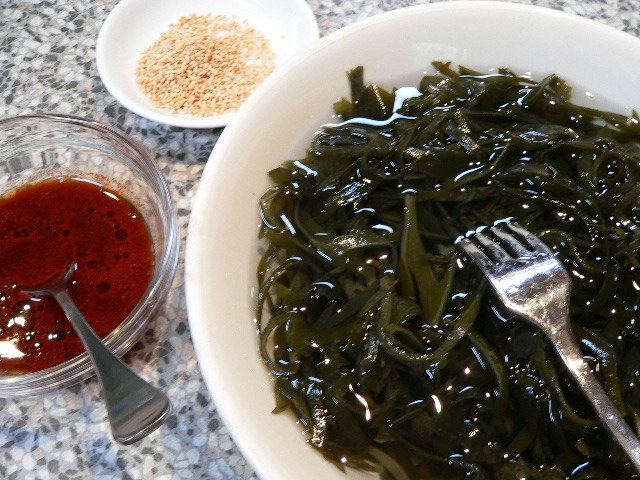
Wakame soaking, wet ingredients mixed, and sesame seeds waiting for toasting.


In the meantime mix together:

2 tbsp rice vinegar

2 tbsp light soy sauce

1-2 tsp chilli powder or flakes

1 tsp sesame oil

P1130659

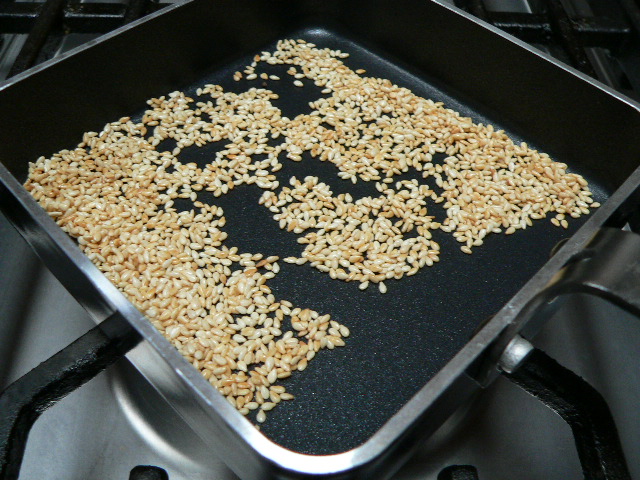
Toasting sesame seeds

2 tbsp roasted sesame seeds (place in a dry frying pan and heat until they are just starting to toast and smell nice)


Method

When the wakame is suitably rehydrated, drain it in a colander and dry it off with paper towels.  Place the wakame in a mixing/serving bowl, you may need to “cut it up” with a pair of scissors, or you could actually chop it into smaller strands with a knife. I liked the scissor option in the bowl… and then add all the other ingredients and stir well to mix the dressing through the seaweed. Cover and let the flavours infuse.

Now for the Miso

This is not a traditional miso recipe per-se. I used what I had in the fridge and improvised a wee bit.

P1130664

Home made frozen prawn stock, pretty colour hey?

Heat 3 cups of home-made prawn stock over high heat and add;

1 tsp ikan bilis (dried shrimp, garlic and chilli. Available from most good asian markets)

Heat until hot.

Gather together

1 tsp minced ginger

1 tsp minced garlic

1 tsp rice vinegar

5 drops of Tamari (soy sauce)

2 tablespoons red miso paste (softened with a couple of tablespoons of your prawn stock.)

add all the above to the stock and stir.

Veggies for interest.

1 medium field mushroom cut into 1 cm cubes.

1 small pak choi  (or cabbage or whatever you have on hand) sliced thinly

3 spring onions (scallions?) chopped thinly for garnishing later

Pop the mushrooms and pak choi into the stock and add 300 grams of cleaned raw mussels. Simmer the stock gently until the mussels open.

P1130665

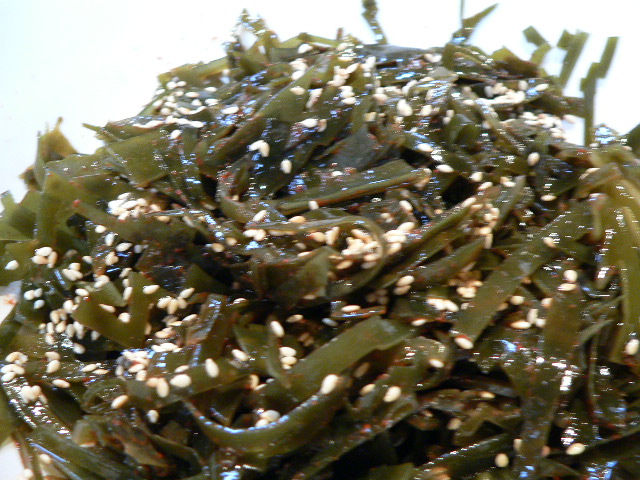
Assembled wakame salad.

The Salad

You can serve the wakame salad as a side dish, or if you prefer, you can place a mound of the salad in the bottom of your soup bowls and pour the soup around the side.


Mussel, mushroom miso soup

Ladle the soup into your soup bowls and garnish with the chopped spring onions.

Mussel, mushroom miso soup by J

Mussel, mushroom miso soup by J

Incidentally, prawn stock is easy to make and freeze. Next time you acquire some fresh prawns for cooking in a tapas dish such as garlic chilli prawns for example, shell and de-vein the prawns, throw the heads and shells into a stock pot and fry gently in a little olive oil (or coconut oil as an alternative for say Laksa stock) until they change colour. Then cover the heads with water and simmer very gently for about 15-20 minutes. Strain the stock through a fine sieve and let cool in smaller containers and then freeze for later use.

I hope you enjoy.

Kind regards,

J.

A Small Taste of Summer

“…on the table, in the belt of summer, the tomato, luminary of earth, repeated and fertile star, shows us its convolutions, its canals, the illustrious plenitude and the abundance…” – Pablo Neruda.

The fellow is right.

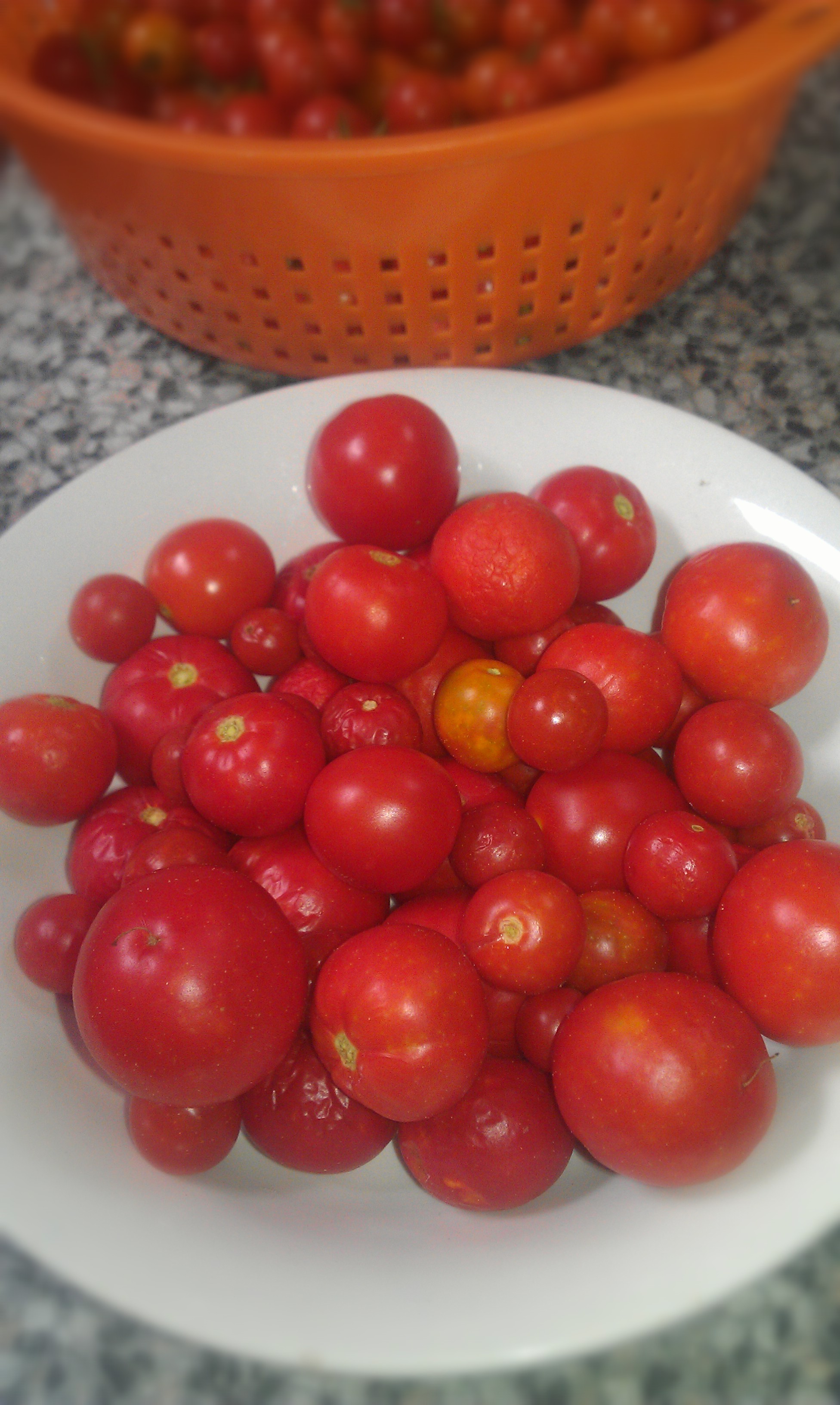
Orbs of joy.

Orbs of joy.

Wow, I had to post again so soon because the cherry tomatoes growing in the veggie patch were too good to pass up. The hot summer sun intensifies the rich flavour of these little orbs of joy. They have a richness of flavour not found in supermarket varieties. They positively explode in your mouth when you bite into them, and as we had a glut of them, I decided to make soup. Simple and unadulterated fresh tomato soup.

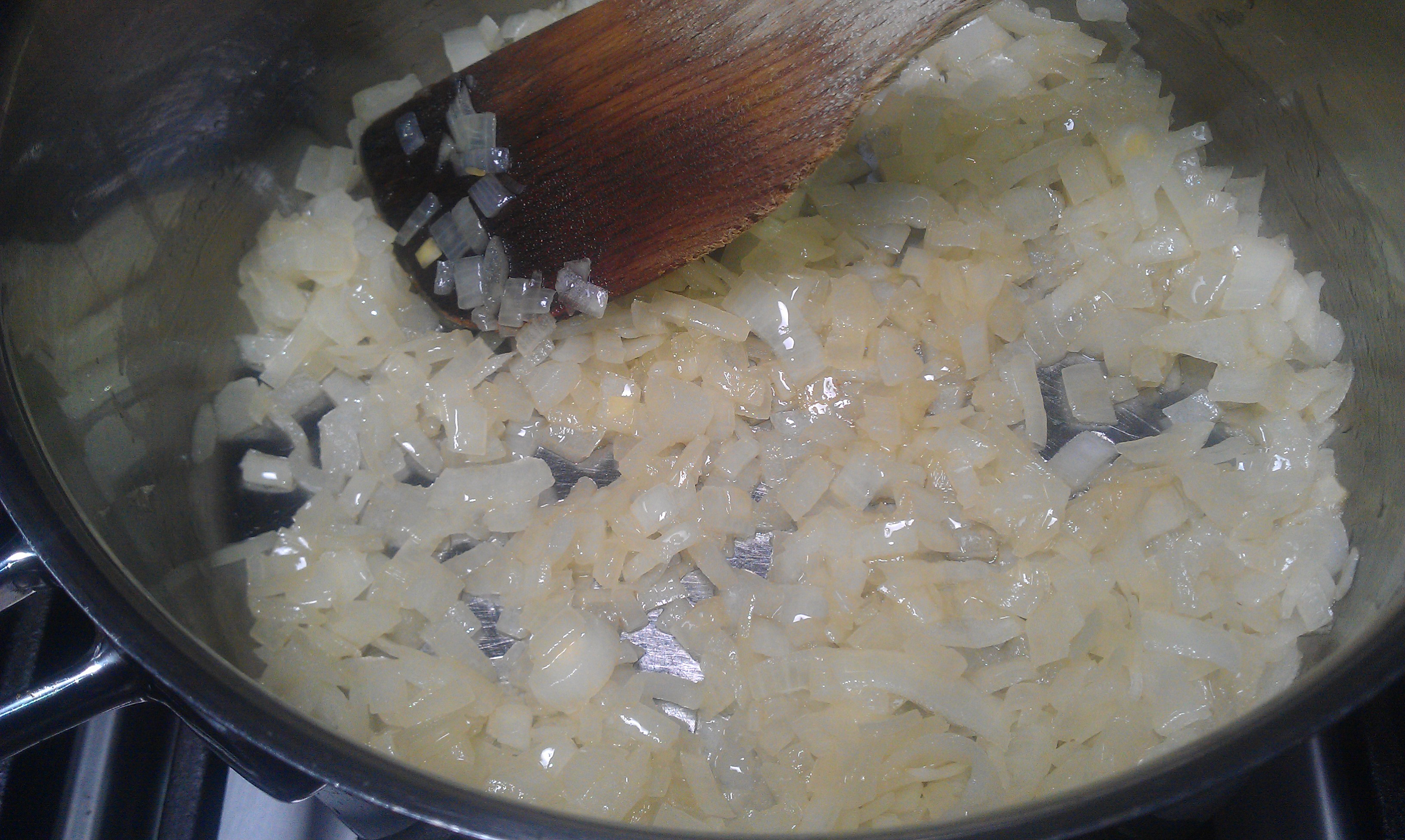
Take one large finely diced onion and sweat it off in a big pan with some robust extra virgin olive oil for a good hour. Yes, you read correctly, one hour. This intensifies the sweetness of the onion and develops those lovely caramel flavours and colour that will give a great  base note to the soup. Because you are sweating them on such a low heat you are free to potter in the kitchen doing other things and stir the pot once in a while. Trust me, the aroma will have you back often enough.

Very slowly heated onion.

Very slowly heated onion.

When the onions are soft and nicely golden you can add the uncut tomatoes (if they are big cut them up) and give them a gentle warming with the onion to soften them and free up some juices. It is better to skin them first but these where too small and fiddly so when the soup was cooked I passed the liquid through a fine sieve. You could use skinned tinned tomatoes if you don’t have fresh ones by the way.

Glistening succulence

Glistening succulence.

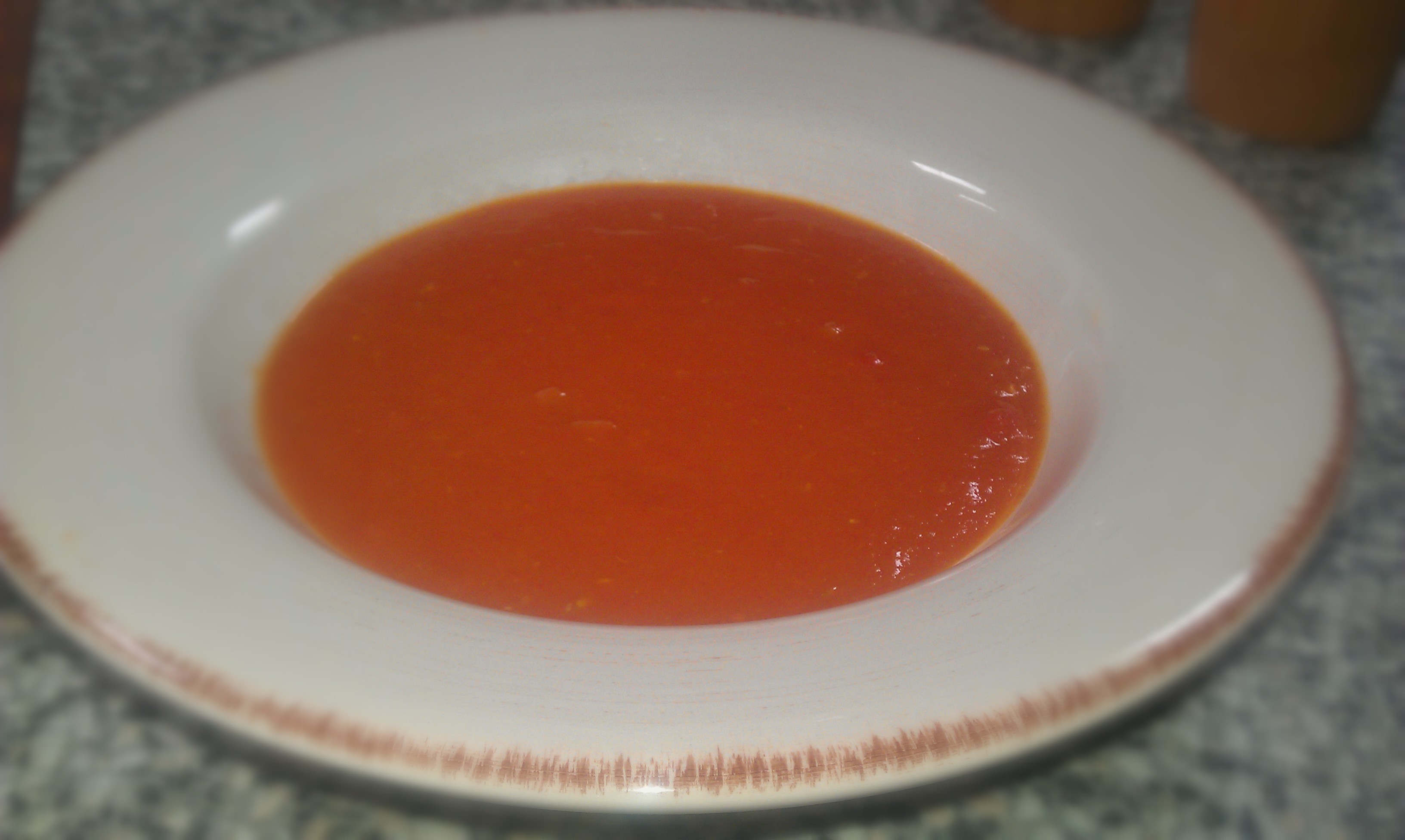
At this point a little water facilitates the juices flowing out of the tomatoes. Simmer gently for about 45 minutes. If you’ve already removed the skins you can stick blend or puree the soup at this point and add some salt. That is all that it needs. A simple and tasty showcase for fresh, sunny summer tomatoes. Yummo…

Ready to go.

Ready to go.

You could, if you were so inclined, add some shaved parmesan and a wee bit of black pepper, but honestly, it was delightful just as it was.

Needless to say, fresh crusty bread served with lashings of good butter goes down a treat!

Kind regards,

J

Hubble, bubble, toil and trouble…


I had a batch of sauerkraut that didn’t turn out as I wanted. A really big bloom of kahm yeast had formed on the top, and because I had neglected it, it had gone further than I wanted and had compromised the flavour, so the chickens got a prezzie. It also wasn’t salty enough which might explain the overgrowth of kahm. Bummer.

Anyway, I set another batch off today with some added spices for a bit of variety. The health benefits of home made kraut are far superior to the shop bought stuff which is invariably pasteurised and therefore all the good bacteria have been eliminated. The bacillus proliferating in the fermentation process gives the kraut its tangy taste and aids in digestion just like natural yoghurt does. It also improves the nutritional value.

The book Nourishing Traditions by Sally Fallon gives a great description of the good things these old fashioned methods of preserving give us. It’s a pity that we have let the processed food industry and the paranoid regulators diminish our knowledge of the benefits of these great foods by flooding us with so called easy and safer alternatives.

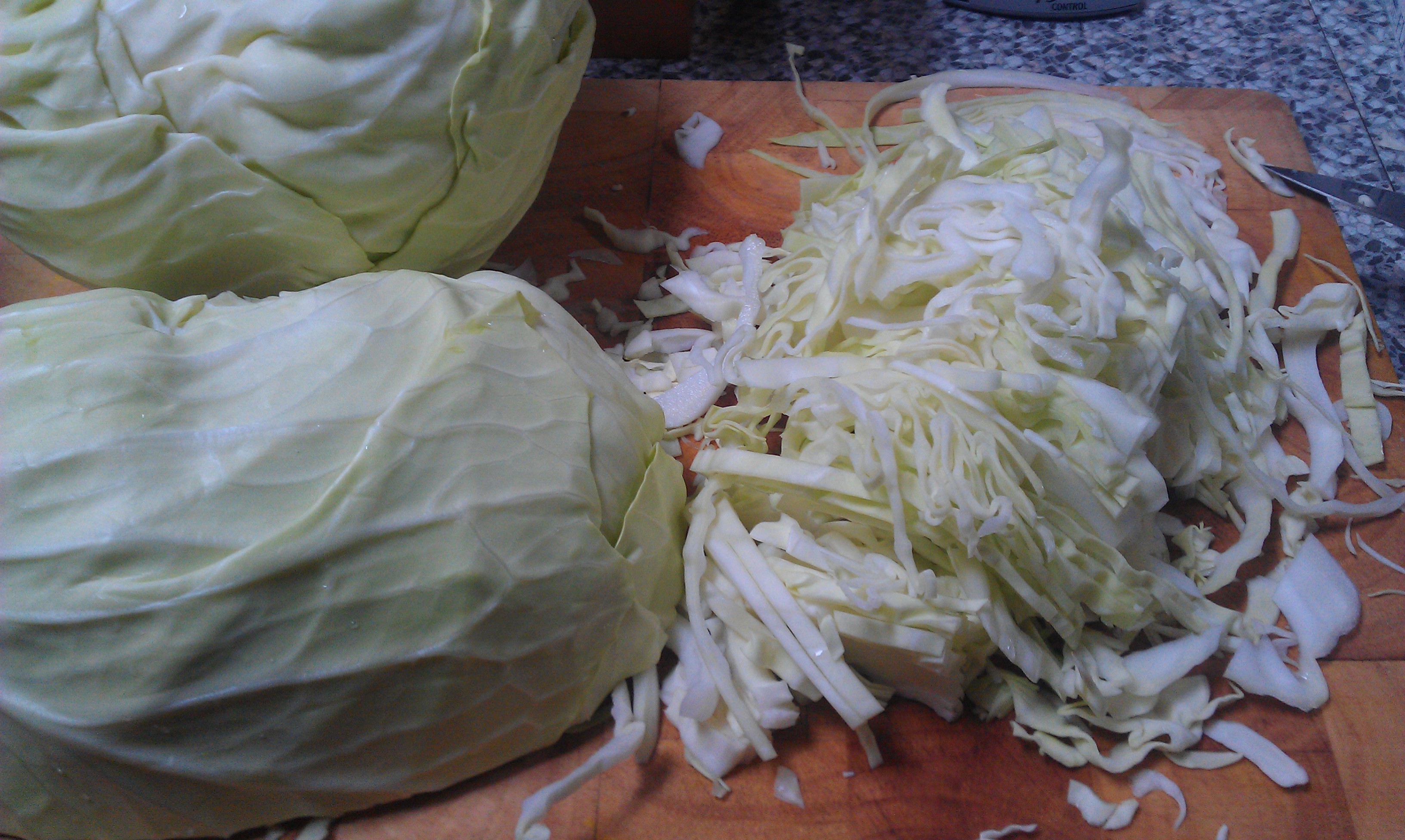
Finely shred the cabbage

Recipe:

2 medium cabbages shredded finely

10 cloves

1 bay leaf

15 black peppercorns

2 teaspoons of cumin seeds

2 tablespoons of salt

4 tablespoons of whey

Cooled boiled water

Firstly, make sure every utensil you use is scrupulously clean, as is your preparation area. Wash your hands properly too, and if you have long hair, tie it up! You can sterilise all your gear if you like, but just make sure there is no residue left, or the batch will just go bad because you have restricted the good bugs from multiplying.

The acidity of the lactic acid fermentation process is in part what protects the cabbage from being consumed by “bad bugs”. Also, if you can buy organic, do so, there is less crap and it does actually taste better.

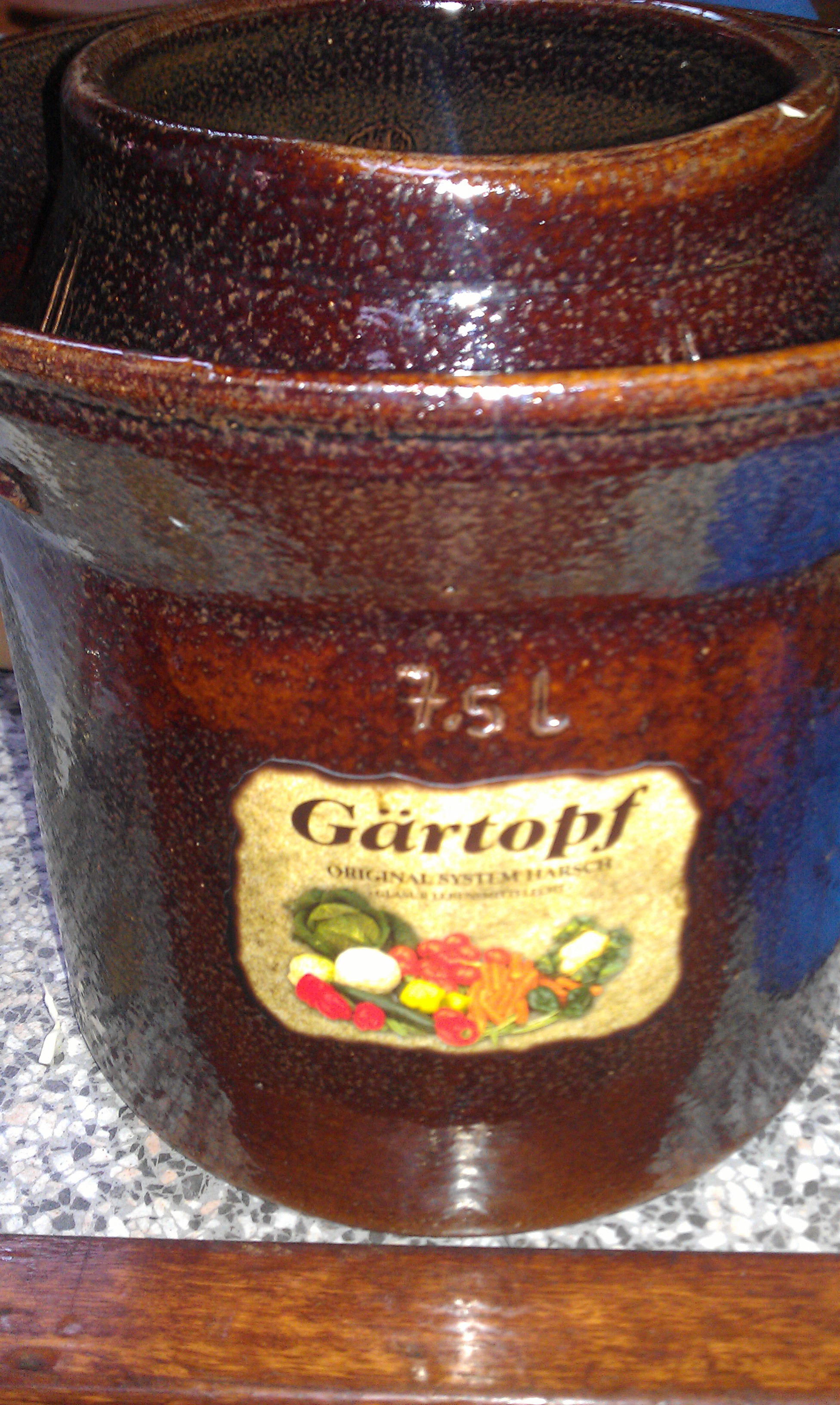
Shred the cabbage finely with a knife or a mandolin, watch your fingers! Layer the cabbage in the crock, ( I have a Harsch fermentation crock which is excellent ) and add some of the rest of the dry ingredients as you go, tamping down with your fist or a potato masher or similar implement.

The fermentation crock

Repeat until the crock is 80% full. Pop a couple of whole cabbage leaves on the top of the tamped down cabbage and then rest the stones on top. Add your whey and some cooled boiled water until the stones are just covered. ( You don’t actually have to use whey but it speeds things up.)

Pop the crock lid on and fill the moat with water and place in a warm spot ( 20-22’c room temperature) for a few days. You will hear the satisfying sound of “plip, plip” as the kraut starts to ferment. Don’t be tempted to peek just yet.

After a few days warm fermentation, transfer the crock to a cooler environment of about 15’c for 2-3 weeks. After this, the crock needs to go in a cold environment of 0′-10’c. At this point it can be opened and enjoyed at 4 weeks old, but it gets better as it matures over time.

You can transfer the kraut to smaller jars and put them in the fridge now if you want to make the volume more manageable or to make another batch. Just make sure there is enough liquid covering the top of the kraut (add a little cooled boiled slightly salted water if you need to.)

Sometimes a kahm yeast forms on the top. It’s white and sort of fluffy and can be skimmed off the surface. It’s harmless, but doesn’t add to the flavour. Remove any solid matter that has it and looks a little oxidised.

Don’t be put off, home-made sauerkraut  is brilliant, and I can personally confirm its healing properties on the human gut after several bouts of gastro acquired in South East Asia and China.

It’s also delish!

Enjoy!

kind regards,

J

As a footnote:- Use your common sense, if the kraut smells and tastes ok it probably is, if there is black or red mould, and it smells really, really bad, then don’t use it. Trust me, you will know.